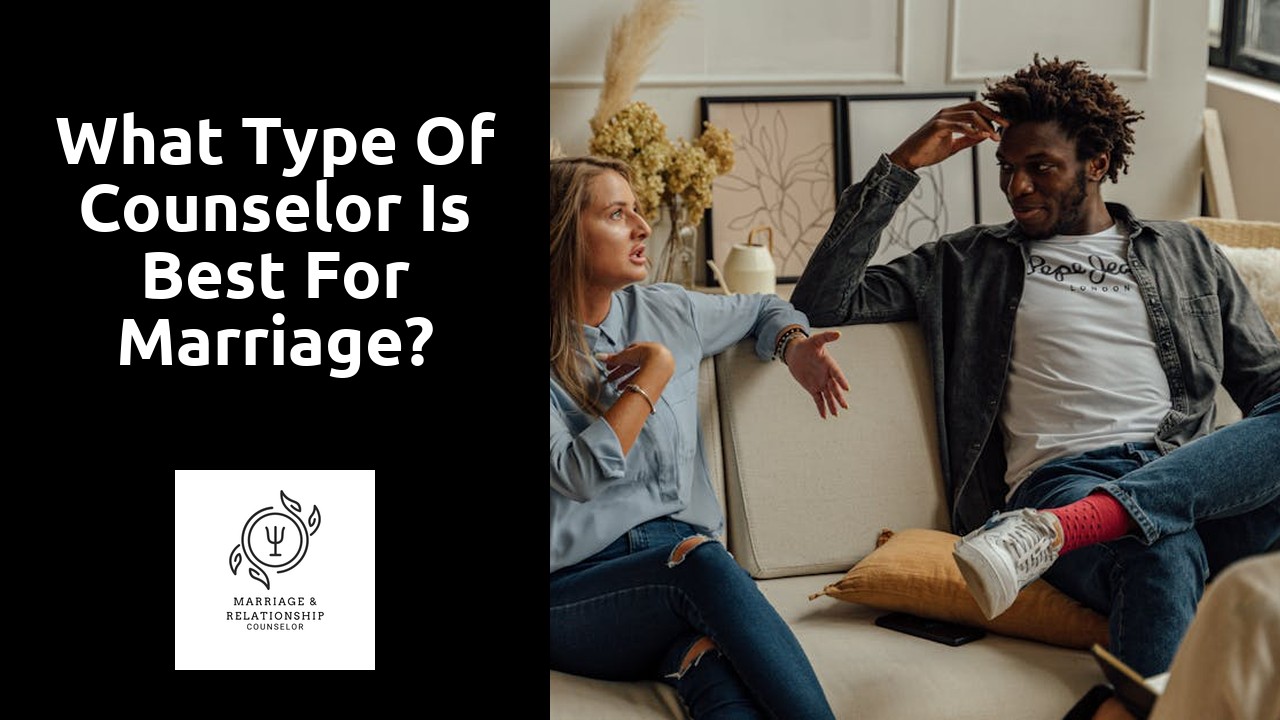
What type of counselor is best for marriage?
Table Of Contents
Common Issues Addressed in Marriage Counseling
Marriage counseling is a valuable resource for couples facing a variety of challenges within their relationship. One common issue addressed in marriage counseling is communication breakdowns. Many couples struggle with effectively expressing their thoughts and emotions to one another, leading to misunderstandings and conflicts. Through counseling sessions, couples can learn new techniques to improve their communication skills and foster a deeper understanding of each other's perspectives.
Another prevalent issue tackled in marriage counseling is unresolved conflicts. Over time, minor disagreements can escalate into larger issues if not addressed promptly and constructively. Marriage counselors help couples identify the root causes of their conflicts and provide strategies for resolving disputes in a healthy and respectful manner. By addressing these common issues in marriage counseling, couples can work towards building a stronger and more fulfilling partnership.
Financial Problems Impacting Marital Relationships
When financial problems arise in a marriage, they can weigh heavily on the relationship and cause significant stress for both partners. Disagreements over money management, spending habits, or differing financial goals can create tension and discord within the marriage. These issues can lead to arguments, feelings of resentment, and a breakdown in communication between spouses, ultimately impacting the overall health of the relationship.
Financial problems can also have a deep emotional impact on couples, often leading to feelings of insecurity, anxiety, and even shame. The stress of financial strain can spill over into other aspects of the marriage, affecting intimacy, trust, and emotional connection. Couples may find themselves struggling to find common ground on how to navigate their financial challenges, which can further strain their bond and create a sense of distance between them.
Techniques for Improving Communication in Marriage
Effective communication is a foundational element in maintaining a healthy and thriving marriage. Couples can benefit greatly from employing various techniques to enhance their communication skills. One key strategy is to practice active listening, where partners fully engage in understanding each other's perspectives without interruptions. This promotes empathy and demonstrates respect for one another's thoughts and feelings. Additionally, using validation techniques can validate each other's emotions and experiences, fostering a deeper sense of connection and understanding within the relationship.
Another valuable technique for improving communication in marriage is to avoid assumptions and mind-reading. Instead of jumping to conclusions or assuming intentions, couples should express their thoughts and feelings openly and honestly. This transparency can help prevent misunderstandings and conflicts that may arise from misinterpretations. Furthermore, setting aside dedicated time for meaningful conversations can strengthen the bond between partners and create a supportive environment for sharing concerns, aspirations, and dreams. By actively working on communication skills, couples can cultivate a stronger, more resilient relationship built on mutual trust and understanding.
Active Listening and Validation in Couples Therapy
Active listening and validation are essential components of effective couples therapy. When partners actively listen to each other, they demonstrate genuine interest and understanding in what the other person is saying. This involves giving full attention to their partner without interrupting, allowing them to express their thoughts and feelings freely. Furthermore, validation plays a crucial role in couples therapy by acknowledging and accepting the emotions and perspectives of each partner, even if they differ from one's own.
By practicing active listening and validation in couples therapy, partners can build empathy and trust in their relationship. When individuals feel heard and validated by their partner, they are more likely to feel emotionally connected and supported. This can lead to a stronger bond between partners as they learn to communicate effectively and navigate conflicts with understanding and compassion. Ultimately, active listening and validation create a space for partners to truly connect and deepen their emotional intimacy in the journey towards a healthier and more fulfilling relationship.
LongTerm Benefits of Marriage Counseling
Marriage counseling offers a range of long-term benefits that can significantly improve the quality of a relationship over time. One key advantage is the development of healthier conflict resolution strategies that both partners can learn and apply in their interactions. By understanding each other's perspectives and needs more clearly, couples can navigate disagreements and challenges more effectively, leading to a stronger and more resilient bond.
Furthermore, marriage counseling can foster a deeper sense of emotional intimacy and connection between partners. Through therapy sessions, couples often uncover underlying issues, communicate more openly, and work together to rebuild trust and understanding. As a result, couples may experience a renewed sense of closeness and affection, laying a foundation for a more enduring and fulfilling relationship.
Healthier Conflict Resolution Strategies Learned in Therapy
When couples seek therapy to address conflicts in their relationship, they often learn valuable strategies to resolve disputes in healthier ways. By working with a counselor, couples can develop skills to communicate effectively and navigate disagreements constructively. Through therapy sessions, couples gain insight into their patterns of conflict and learn techniques to manage their emotions during tense situations.
One common strategy taught in therapy is active listening, where partners focus on truly understanding each other's perspectives without interrupting or formulating responses prematurely. By practicing active listening, couples can create a safe space for open dialogue and mutual respect. Therapists also guide couples in using validation techniques to acknowledge each other's feelings, fostering empathy and connection in the midst of disagreements.
FAQS
What type of counselor is best for marriage?
The best type of counselor for marriage is a licensed marriage and family therapist (LMFT). LMFTs are specifically trained to work with couples and families to address relationship issues.
How can a counselor help with financial problems impacting marital relationships?
A counselor can help couples navigate financial challenges by facilitating open and honest communication, setting financial goals together, and developing strategies to manage money as a team.
What techniques can be used to improve communication in marriage?
Techniques such as active listening, validation, and empathy are commonly used in marriage counseling to improve communication between partners and foster understanding and connection.
What are the long-term benefits of marriage counseling?
Marriage counseling can lead to healthier communication patterns, improved conflict resolution skills, increased emotional intimacy, and a stronger bond between partners, ultimately enhancing the overall quality of the relationship.
How can marriage counseling help with developing healthier conflict resolution strategies?
Marriage counseling can help couples identify their conflict styles, explore underlying issues contributing to conflicts, and learn effective strategies for resolving disagreements in a constructive and respectful manner.
Related Links
How do I approach a marriage counselor?What is the BetterHelp controversy?